

98% Tea Polyphenols: A Natural Wellness Boost
Apr 01, 2025
Leave a message
98% Tea Polyphenols: A Natural Wellness Boost
In the realm of natural health supplements, 98% tea polyphenols stand out as a powerhouse of wellness benefits. These concentrated extracts, derived primarily from green tea, offer a potent dose of antioxidants that can revolutionize your health regimen. Rich in catechins, particularly epigallocatechin gallate (EGCG), these polyphenols are renowned for their ability to combat oxidative stress, support cardiovascular health, and potentially aid in weight management. As we delve into the world of tea polyphenols, we'll explore their scientific backing, immune-boosting properties, and how you can incorporate these natural wonders into your daily life for optimal health and vitality.
The Science Behind Tea Polyphenols
Understanding Polyphenol Structure
Tea polyphenols are complex organic compounds characterized by multiple phenol units. These structures give polyphenols their unique chemical properties, enabling them to interact with various biological processes in the human body. The most abundant polyphenols in tea, particularly green tea, are catechins, which include EGCG, epicatechin gallate (ECG), epigallocatechin (EGC), and epicatechin (EC). Among these, EGCG is the most studied and is believed to be responsible for many of the health benefits associated with tea consumption.
Antioxidant Mechanisms
The primary mechanism through which green tea extract 98 polyphenols exert their beneficial effects is through their antioxidant activity. Antioxidants neutralize harmful free radicals, which are unstable molecules that can damage cells and contribute to chronic diseases and aging. Tea polyphenols, especially EGCG, have been shown to have antioxidant potency up to 100 times greater than vitamin C. This powerful antioxidant activity helps protect cellular components such as DNA, proteins, and lipids from oxidative damage.
Metabolic Impact
Research has demonstrated that tea polyphenols can influence various metabolic pathways. They have been shown to modulate enzymes involved in lipid metabolism, potentially contributing to improved cholesterol profiles and weight management. Additionally, studies suggest that tea polyphenols may enhance insulin sensitivity and glucose metabolism, which could have implications for diabetes prevention and management. The metabolic effects of tea polyphenols highlight their potential as a natural aid in maintaining overall health and preventing chronic diseases.

Enhancing Immunity with Tea Polyphenols
Modulation of Immune Response
Tea polyphenols have been found to have immunomodulatory effects, meaning they can help regulate the immune system. This modulation can lead to a more balanced immune response, potentially reducing excessive inflammation while still maintaining the body's ability to fight off pathogens. The polyphenols in green tea extract, particularly EGCG, have been shown to influence various immune cells, including T cells, B cells, and natural killer cells, thereby enhancing overall immune function.
Anti-inflammatory Properties
Chronic inflammation is at the root of many health issues, from cardiovascular disease to autoimmune disorders. The anti-inflammatory properties of 98% tea polyphenols make them valuable allies in combating these conditions. Studies have shown that regular consumption of green tea extract rich in polyphenols can reduce markers of inflammation in the body. This anti-inflammatory effect is attributed to the ability of polyphenols to inhibit pro-inflammatory enzymes and cytokines, thus helping to maintain a state of balance within the immune system.
Antimicrobial Effects
Beyond their effects on the human immune system, tea polyphenols also exhibit direct antimicrobial properties. Research has demonstrated that these compounds can inhibit the growth of various bacteria, viruses, and fungi. This antimicrobial action is particularly noteworthy in the case of oral health, where green tea polyphenols have been shown to reduce the growth of bacteria associated with tooth decay and gum disease. The broad-spectrum antimicrobial activity of tea polyphenols adds another layer to their immune-boosting capabilities.
Best Sources of Tea Polyphenols for Daily Use
Green Tea and Its Extracts
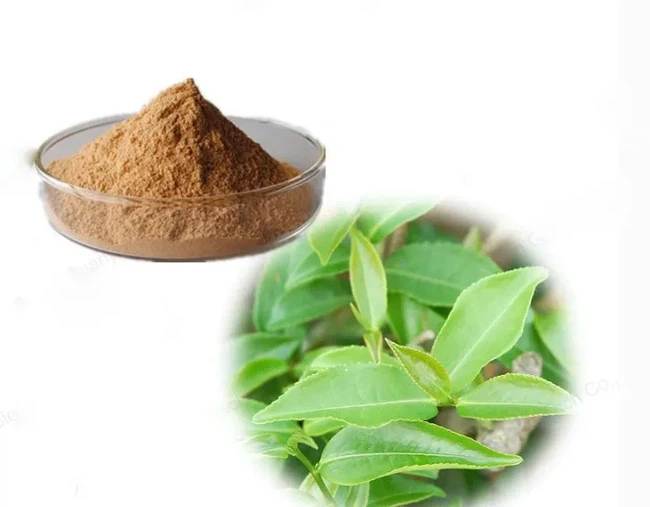
Green tea is undoubtedly the richest source of tea polyphenols, particularly catechins like EGCG. While brewing green tea is a traditional and enjoyable way to consume these beneficial compounds, concentrated green tea extracts offer a more potent option. These extracts, often standardized to contain 98% tea polyphenols, provide a convenient and efficient way to incorporate high levels of these antioxidants into your daily routine. When choosing a green tea extract, look for products that specify their polyphenol content and are sourced from reputable manufacturers.
White Tea and Other Varieties
While green tea is the most studied, other tea varieties also contain significant amounts of polyphenols. White tea, made from young tea buds and leaves, is particularly rich in catechins and may even surpass green tea in certain antioxidant measures. Oolong and black teas, though processed differently, still retain valuable polyphenols and offer their unique health benefits. Incorporating a variety of teas into your diet can provide a diverse range of polyphenols and other beneficial compounds.
Supplementation and Fortified Products
For those seeking to maximize their intake of tea polyphenols, dietary supplements offer a concentrated source. These supplements often come in the form of capsules or powders containing green tea extract standardized to 98% polyphenols. Additionally, many food and beverage products are now fortified with tea polyphenols, providing alternative ways to incorporate these beneficial compounds into your diet. When considering supplementation, it's important to consult with a healthcare professional to determine the appropriate dosage and ensure there are no contraindications with existing medications or health conditions.

Conclusion
The remarkable properties of 98% tea polyphenols offer a natural and potent way to boost overall wellness. From their powerful antioxidant effects to their ability to enhance immunity and influence metabolic processes, these compounds present a compelling case for inclusion in a health-conscious lifestyle. Whether through traditional tea consumption, concentrated extracts, or fortified products, incorporating tea polyphenols into your daily routine can be a simple yet effective step towards better health. As research continues to unveil the full potential of these natural compounds, tea polyphenols stand as a testament to the enduring wisdom of traditional remedies in the modern world of health and wellness.
Contact Us
Ready to experience the benefits of high-quality tea polyphenols? Contact us at Jessica@xazbbio.com to learn more about our premium 98% tea polyphenol extracts and how they can enhance your health and wellness journey.
References
Lambert, J. D., & Elias, R. J. (2010). The antioxidant and pro-oxidant activities of green tea polyphenols: a role in cancer prevention. Archives of Biochemistry and Biophysics, 501(1), 65-72.
Suzuki, Y., Miyoshi, N., & Isemura, M. (2012). Health-promoting effects of green tea. Proceedings of the Japan Academy, Series B, 88(3), 88-101.
Steinmann, J., Buer, J., Pietschmann, T., & Steinmann, E. (2013). Anti-infective properties of epigallocatechin-3-gallate (EGCG), a component of green tea. British Journal of Pharmacology, 168(5), 1059-1073.
Basu, A., & Lucas, E. A. (2007). Mechanisms and effects of green tea on cardiovascular health. Nutrition Reviews, 65(8), 361-375.
Khan, N., & Mukhtar, H. (2013). Tea and health: studies in humans. Current Pharmaceutical Design, 19(34), 6141-6147.
Cabrera, C., Artacho, R., & Giménez, R. (2006). Beneficial effects of green tea-a review. Journal of the American College of Nutrition, 25(2), 79-99.