




↵
Your Professional Food Additives Supplier
We are a factory with 17 years of production experience, the main products are health care raw powder and pharmaceutical and cosmetic raw powder. Our partners are healthcare factories, pharmaceutical factories, cosmetic factories, and also trading companies.
Quality Control
We have strict QC standards and perfect quality guarantee system, GMP certified, also FDA, ISO9001 and Halal certified. and our quality control system is stringent.
Our Team
XAZB has an excellent technical and management team, deeply familiar with domestic and international markets, and has outstanding technical advantages and knowledge reserves.
Custom Service
Besides our existing products, XAZB also can customize for our customers,We can do ODM and OEM of the supplements.
Sales Market
With full qualification and exporting experience, our products are widely sold to more than 40 countries from Europe, America, Southeast Asia, Oceania and so on.
Production Equipment
XAZB owns two standardized production workshops, advanced multi-function extractors and juice concentrate equipment.
Free Sample
Xi'an ZB can provide you with free sample service, with fast shipping speed (shipped on the same day)!!!
Definition of Food Additives
Cosmetic raw materials refer to the various ingredients and materials required in the preparation of cosmetics, which play a role in improving product texture, moisturizing, antioxidant, whitening, and whitening, in order to meet consumers' needs for beauty and skincare.


Food additives refer to chemical substances added during food processing to improve food quality, extend shelf life, and increase the color, aroma, taste, and taste of food. According to their functions and characteristics, food additives can be divided into the following categories:
a. Preservatives:
Preservatives are used to extend the shelf life of food, inhibit or kill harmful organisms such as microorganisms, molds, and yeast. Common preservatives include nitrite, soda hydrogen peroxide, potassium sorbate, etc.
b. Antioxidants:
Antioxidants help prevent the oxidation and rancidity of fats and oils in food, maintaining its freshness and stability. Common antioxidants include vitamin C, vitamin E, thioboric acid, and propylene glycol.
c. Pigment:
Pigments are used to enhance the color, appetite, and visual appeal of food. According to their sources, pigments can be divided into two types: natural pigments and artificially synthesized pigments. Common pigments include carotene, monascus pigment, dye yellow, etc.
d. Essence and spices:
Essence and spices are used to increase the aroma and taste of food and make it more delicious. Essence is mainly composed of chemically synthesized compounds, while spices include natural plant extracts, such as vanilla and essential oils of spices.
e. Seasoning agent:
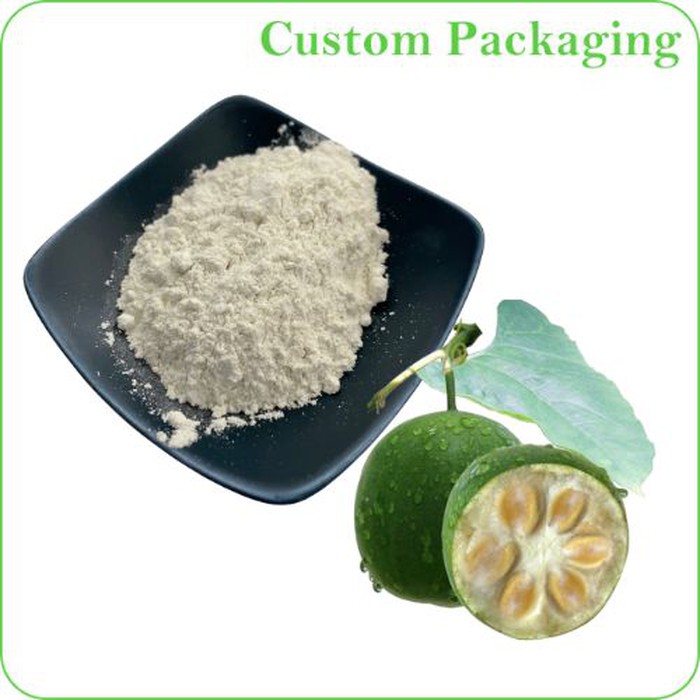
Seasoning agents are used to enhance the taste of food, improve the taste and overall balance of the food. such as Pure Sucralose Powder, Mogroside V Powder, Stevioside Powder.
f. Fermentation agent:
Fermentation agents can promote the fermentation process of baked goods such as bread and biscuits, providing a soft taste. Common fermentation agents include yeast powder, baking powder, etc.
g. Stabilizer:
Stabilizers are used to improve the texture of food and maintain its stability, preventing separation, spoilage, and agglomeration. Common stabilizers include gelatin, pectin, carrageenan, etc.
h. Thickener and emulsifier:
Thickeners give food a certain viscosity, while emulsifiers help stabilize the oil-water mixture system. Common thickeners include gelatin, pectin, and starch, while emulsifiers include lecithin, soy protein, and so on.
According to their functions, food additives can be divided into many categories, such as preservatives, antioxidants, pigments, essence and spices, flavoring agents, fermentation agents, stabilizers, thickening agents and emulsifiers. These food additives can improve the quality and taste of food when used appropriately, but attention should be paid to reasonable selection and control of intake during use.
Benefits of Food Additives
Additives Enhance Food's Nutritive Value
There are different types of food additives that help in the improvement or maintenance of food's nutritive value. Food additives may be broadly classified as nutritional or non-nutritional. The nutritional additives improve the nutritive value, or the value of food for growth, or for maintaining life, or for promoting the health and vigor of humans and animals, and also increase their usefulness in the production of food and feedstuffs.
They Make Food Last Longer
Food additives are basically a requirement when it comes to keeping food safe and healthy for consumption for a long time and making sure that it tastes fresh and delicious. Food is nothing but the most basic necessity for every living creature. Having safe food that is unsullied and does not fail to serve its purpose is something we all expect. This is where food additives and preservatives come into the picture.

Enhance the Taste and Aroma of Food
Food additives are primarily used to enhance the taste and aroma of food, preserve it, extend its shelf life, and add color to it. These additives are either artificial or natural and are essentially added to the food to improve or enhance its taste, texture, or, sometimes, appearance. Moreover, there are certain additives that are good for your health. These additives have no harmful effects.
Food Additives May Help Lose Weight
Food additives are also known as food enhancers. They are used to improve or modify the taste or texture of a food. Some of the food additives are also helpful in losing weight. You must know that a number of expert dieticians approve them and prescribe them to their patients who are trying to lose weight and also keep fit at the same time. These additives help to burn the extra fat in the body like nothing else.
Most Common Food Additives
Monosodium Glutamate (MSG)
Monosodium glutamate, or MSG, is a common food additive used to intensify and enhance the flavor of savory dishes. It’s found in a variety of processed foods like frozen dinners, salty snacks and canned soups. It’s also often added to foods at restaurants and fast food places.
Artificial Food Coloring
Artificial food coloring is used to brighten and improve the appearance of everything from candies to condiments. Artificial food coloring may promote hyperactivity in sensitive children and can cause allergic reactions. Red 3 has also been shown to increase the risk of thyroid tumors in animal studies.
Sodium Nitrite
Frequently found in processed meats, sodium nitrite acts as a preservative to prevent the growth of bacteria while also adding a salty flavor and reddish-pink color. When exposed to high heat and in the presence of amino acids, nitrites can turn into nitrosamine, a compound that can have many negative effects on health.
Guar Gum
Guar gum is a long-chain carbohydrate used to thicken and bind foods. It’s widely used in the food industry and can be found in ice cream, salad dressings, sauces and soups. Guar gum is high in fiber and has been associated with a multitude of health benefits.
High-Fructose Corn Syrup
High-fructose corn syrup is a sweetener made from corn. It’s frequently found in soda, juice, candy, breakfast cereals and snack foods. It’s rich in a type of simple sugar called fructose, which can cause serious health issues when consumed in high amounts.
Artificial Sweeteners
Artificial sweeteners are used in many diet foods and beverages to enhance sweetness while reducing calorie content. Common types of artificial sweeteners include aspartame, sucralose, saccharin and acesulfame potassium.
Trans Fat
Trans fats are a type of unsaturated fat that have undergone hydrogenation, which increases shelf life and improves the consistency of products. Eating trans fats has been associated with many negative effects on health, including inflammation, heart disease and diabetes. It can be found in many types of processed foods like baked goods, margarine, microwave popcorn and biscuits.
What Do Food Additives Do?


● Acids / Acidity regulators / Alkalis help to maintain a constant acid level in food. This is important for taste, as well as to influence how other substances in the food function.
● Anti-caking agents reduce the tendency of individual food particles to adhere and improve flow characteristics. For example, seasoning with an added anti-caking agent flows freely and doesn't clump together.
● VAntioxidants retard or prevent the oxidative deterioration of foods. For example, in fats and oils, rancid flavors can develop when they are exposed to oxygen. Antioxidants prevent this from happening.
● Bulking agents contribute to the volume of the food, without contributing significantly to its available energy. For example, sugar often contributes to the volume of lollipops, while some low-joule foods need bulking agents added to them to replace the bulk normally provided by sugar.
● Colorings add or restore color to foods. For example, icing mixture is colored to make it more attractive on cakes.
● Emulsifiers facilitate or maintain oil and water from separating into layers. For example, emulsifiers may be used in margarine to prevent oil forming a layer on top of the margarine.
● Firming agents / Stabilizers maintain the uniform dispersion of substances in solid and semi-solid foods.
● Flavor enhancers enhance the existing taste and/or odor of a food.
● Foaming agents maintain the uniform dispersion of gases in aerated foods.
● Gelling agents modify the texture of the food through gel formation.
● Glazing agents impart a coating to the external surface of the food, for example a wax coating on fruit to improve its appearance.
● Humectants reduce moisture loss in foods. For example, glycerine may be added to icing to prevent it from drying out.
● Preservatives retard or prevent the deterioration of food by micro-organisms, and thus prevent spoilage of foods.
● Raising agents liberate gases, thereby increasing the volume of a food. Raising agents are often used in baked goods.
● Sweeteners replace the sweetness normal provided by sugars in foods without contributing significantly to their available energy.
● Thickeners increase the viscosity of a food. For example, a sauce might contain a thickener to give it the desired consistency.
Safety Considerations for Food Additives
Safety Testing:Before a food additive is approved for use, it must undergo rigorous safety testing to determine its potential risks and benefits. This testing involves evaluating the additive's toxicity, carcinogenicity, mutagenicity, and other potential health risks.
Acceptable Daily Intake (ADI): The ADI is the amount of a food additive that can be safely consumed on a daily basis over a lifetime without causing harm. The FDA and EFSA establish the ADI based on safety testing data.
Potential Risks for Sensitive Populations: Some people may be more sensitive to certain food additives than others. This includes individuals with allergies or intolerances to specific additives.
Adverse Reactions: While most people can safely consume food additives, some individuals may experience adverse reactions. These reactions can include allergic reactions, migraines, and gastrointestinal distress.
Labeling Requirements: Food manufacturers are required to list all additives used in their products on the product label. This allows consumers to make informed choices about the foods they eat and avoid any additives they may be allergic to or have adverse reactions to.
Interactions with Other Additives: Some food additives can interact with other additives or substances in food, potentially leading to harmful effects. For example, the combination of certain food dyes and preservatives has been linked to hyperactivity in children.
Maximum Usage Levels: In addition to the ADI, the FDA also sets maximum usage levels for each food additive. These levels specify the maximum amount of a food additive that can be used in a food product without exceeding the ADI.
OEM Service Process
We arrange production
The customer confirms receipt of goods
Feedback from customers to our company, we make better service to customer
Determine the raw material, formula, dosage form, bulk quantity, and packing method
After the production, we will confirm the packaging with the customer again.
We will send samples to customers
Arrange shipment
The customer confirms that the sample is qualified
Give the customer a copy of the bill of lading
Customers prepay the deposit
The customer pays the final payment

Packaging
1kg/bag (1kg net weight, 1.1kg gross weight, packed in an aluminum foil bag)
5kg/carton(1kg net weight, 1.1kg gross weight, packed in five aluminum foil bag)
25kg/drum (25kg net weight, 28kg gross weight;)

Xi'an ZB Biotech Co., Ltd. has multiple transportation methods for you to choose from, and you can choose the best transportation method according to customer needs to ensure customer benefits.

Our Factory
The factory of Xi'an ZB Biotech Co., Ltd. is located in Qingyang, Gansu, covering an area of 1200 acres. It has a standard plant extract production workshop and research and development workshop. We are herb extracts and supplements raw materials factory, we serve for companies and factories. Raw powder and custom packaging are both available.

Our Certificate

FAQ
As one of the most professional food additives manufacturers and suppliers in China, we're featured by quality products and competitive price. Please rest assured to buy bulk food additives for sale here from our factory.
Mogroside V Powder