

How to Mix GHK-Cu Powder?
Nov 25, 2024
Leave a message
GHK-Cu powder is a powerful component that is used in many cosmetics and wellness applications. It is also referred to as copper peptide GHK-Cu powder or copper peptide GHK powder. This post will walk you through the process of properly blending GHK-Cu powder so you can maximize the benefits of this adaptable substance.
What is GHK-Cu Powder?
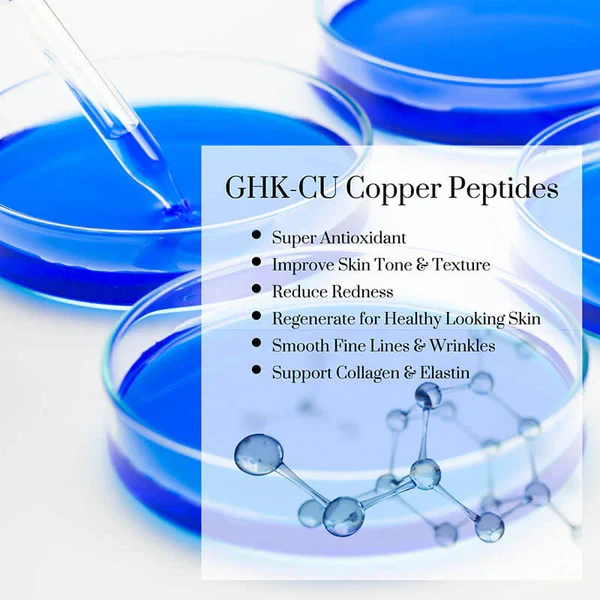
The tripeptide glycyl-L-histidyl-L-lysine is found naturally as the copper complex known as GHK-Cu powder. This substance is well known for its capacity to enhance skin suppleness, stimulate the production of collagen, and quicken the healing of wounds. The medicinal and cosmetic domains have paid considerable attention to the copper peptide GHK-Cu powder because of its many advantages.
Benefits of GHK-Cu Powder
The copper peptide GHK powder offers a wide array of benefits, including:
- Stimulating collagen production
- Enhancing skin firmness and elasticity
- Reducing fine lines and wrinkles
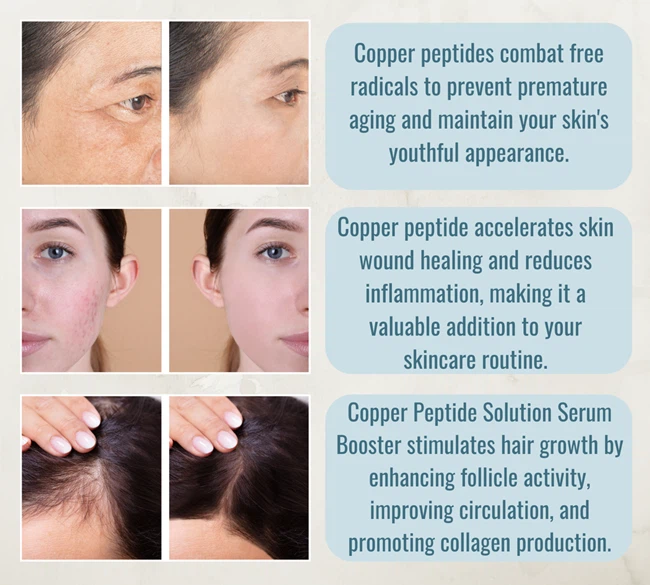
- Promoting wound healing
- Supporting hair growth
- Possessing antioxidant properties
Forms of GHK-Cu
GHK-Cu is available in various forms, including serums, creams, and powders. The powder form, which we'll focus on in this article, offers versatility and allows for customized formulations to suit individual needs.
Preparation for Mixing GHK-Cu Powder
Essential Equipment
Before you begin mixing your copper peptide GHK Cu powder, ensure you have the following equipment:
- Precision scale (0.01g accuracy)
- Glass beaker or mixing bowl
- Sterile glass rod or spatula
- pH meter or pH strips
- Sterilized dropper bottles or airless pump containers
Choosing a Suitable Base
The choice of base is crucial when mixing GHK-Cu powder. Options include:
- Distilled water
- Hyaluronic acid serum
- Glycerin
- Propylene glycol
Each base offers different properties and benefits, so select one that aligns with your specific needs and skin type.
Safety Precautions
When handling GHK-Cu powder, observe the following safety measures:
- Wear gloves and a face mask
- Work in a clean, well-ventilated area
- Avoid direct skin contact with the undiluted powder
- Store the powder in a cool, dry place away from direct sunlight
Step-by-Step Mixing Process
Determining the Correct Concentration
The optimal concentration of GHK-Cu in a solution typically ranges from 0.5% to 2%. For beginners, starting with a 1% concentration is recommended. To achieve this, you'll need to mix 10mg of GHK-Cu powder with 1ml of your chosen base.
Mixing Procedure
Follow these steps to mix your GHK-Cu powder:
- Measure 10mg of GHK-Cu powder using your precision scale.
- In a glass beaker, add 1ml of your chosen base.
- Gradually add the copper peptide GHK powder to the base while stirring gently with a glass rod.
- Continue stirring until the powder is completely dissolved. This may take several minutes.
- Check the pH of the solution using a pH meter or pH strips. The ideal pH should be between 5.5 and 6.5.
- If necessary, adjust the pH using a small amount of citric acid (to lower pH) or sodium bicarbonate (to raise pH).
- Once the desired pH is achieved, transfer the solution to a sterilized dropper bottle or airless pump container.
Storage and Shelf Life
Proper storage is crucial to maintain the efficacy of your GHK-Cu solution:
- Store the mixed solution in a cool, dark place
- Refrigeration can extend the shelf life but is not always necessary
- Use within 3-6 months for optimal potency
- Discard if you notice any changes in color, odor, or consistency
Application and Usage Tips
Incorporating GHK-Cu into Your Skincare Routine
To maximize the benefits of your GHK-Cu solution:
- Apply to clean, dry skin
- Use once or twice daily, preferably in the evening
- Follow with a moisturizer to lock in the benefits
- For sensitive skin, start with a lower concentration and gradually increase
Potential Side Effects
While GHK-Cu is generally well-tolerated, some individuals may experience:
- Mild irritation or redness
- Temporary tingling sensation
- Allergic reactions (rare)
If you experience persistent adverse effects, discontinue use and consult a healthcare professional.
Complementary Ingredients
GHK-Cu can be combined with other skincare ingredients for enhanced benefits:
- Vitamin C for increased collagen production
- Hyaluronic acid for improved hydration
- Niacinamide for skin barrier support
- Peptides for synergistic anti-aging effects
Always perform a patch test when combining new ingredients.
Troubleshooting Common Issues
Powder Not Dissolving Completely
If you're having trouble dissolving the GHK copper peptide powder:
- Ensure you're using the correct ratio of powder to base
- Try warming the base slightly (not above 40°C) to aid dissolution
- Use a magnetic stirrer for more thorough mixing
Solution Becoming Cloudy
A cloudy solution may indicate:
- Contamination of the base or equipment
- Incompatibility with other ingredients
- Incorrect pH level
In such cases, it's best to start over with fresh ingredients and sterilized equipment.
Adjusting Concentration
To adjust the concentration of your GHK-Cu solution:
- For a stronger solution, increase the amount of GHK-Cu powder while keeping the base volume constant
- For a weaker solution, add more base to your existing mixture
- Always recalculate the concentration after adjusting
Advanced Formulations and Customizations
Combining GHK-Cu with Other Peptides
Experienced users may explore combining GHK-Cu with other peptides for enhanced effects:
- Matrixyl 3000 for additional wrinkle-reducing benefits
- Argireline for muscle-relaxing effects
- Copper Tripeptide-1 for improved wound healing
When combining peptides, ensure they are compatible and adjust concentrations accordingly.
Creating Multi-Functional Serums
Develop specialized serums by incorporating GHK-Cu into formulations targeting specific concerns:
- Anti-aging serum with GHK-Cu, retinol, and vitamin C
- Hydrating serum with GHK-Cu, hyaluronic acid, and glycerin
- Brightening serum with GHK-Cu, niacinamide, and alpha-arbutin
Always research ingredient interactions and perform stability tests when creating complex formulations.
Experimenting with Different Bases
Advanced users can explore alternative bases for unique textures and benefits:
- Aloe vera gel for soothing properties
- Panthenol for added moisturization
- Ceramide complex for barrier repair
- Liposomal base for enhanced penetration
Each base may require adjustments in mixing technique and preservation methods.
Conclusion
Mixing GHK-Cu powder effectively allows you to harness its potent benefits for skin health and rejuvenation. By following the guidelines outlined in this article, you can create customized solutions tailored to your specific needs. Remember to always prioritize safety, cleanliness, and precision in your formulations.
Contact Us
If you're looking for high-quality GHK-Cu powder or need expert guidance on formulation, don't hesitate to reach out to us at Jessica@xazbbio.com. Our team at XAZB Biotech, with 17 years of production experience, is dedicated to providing the best products at competitive prices. Our factory also can supply OEM/ODM One-stop service, includiong customized packaging and labels. Let us help you unlock the full potential of GHK-Cu in your skincare journey.
References
Pickart, L., & Margolina, A. (2018). Regenerative and Protective Actions of the GHK-Cu Peptide in the Light of the New Gene Data. International Journal of Molecular Sciences, 19(7), 1987.
Schagen, S. K. (2017). Topical Peptide Treatments with Effective Anti-Aging Results. Cosmetics, 4(2), 16.
Hostynek, J. J., Dreher, F., & Maibach, H. I. (2011). Human skin retention and penetration of a copper tripeptide in vitro as function of skin layer towards anti-inflammatory therapy. Inflammation Research, 60(1), 79-86.
Pickart, L., Vasquez-Soltero, J. M., & Margolina, A. (2015). GHK Peptide as a Natural Modulator of Multiple Cellular Pathways in Skin Regeneration. BioMed Research International, 2015, 648108.
Leyden, J. J., Stevens, T., Finkey, M. B., & Barkovic, S. (2002). Skin care benefits of copper peptide containing facial cream. American Academy of Dermatology 60th Annual Meeting, February 22-27, 2002, New Orleans.
Gorouhi, F., & Maibach, H. I. (2009). Role of topical peptides in preventing or treating aged skin. International Journal of Cosmetic Science, 31(5), 327-345.